12 Modern Boys Room Decor Ideas They’ll Love
How do you decorate a boy’s room so it doesn’t scream “childish” the moment you walk in, but also doesn’t feel like a hotel room with no personality? That’s the actual tension in most boys’ room decor — parents want something that looks intentional and will last a few years without a full redo, while kids want a room that genuinely feels like theirs. The twelve ideas below try to hit both, ranging from five-minute swaps to slightly bigger weekend projects.
A Bold Accent Wall Instead of Full-Room Color
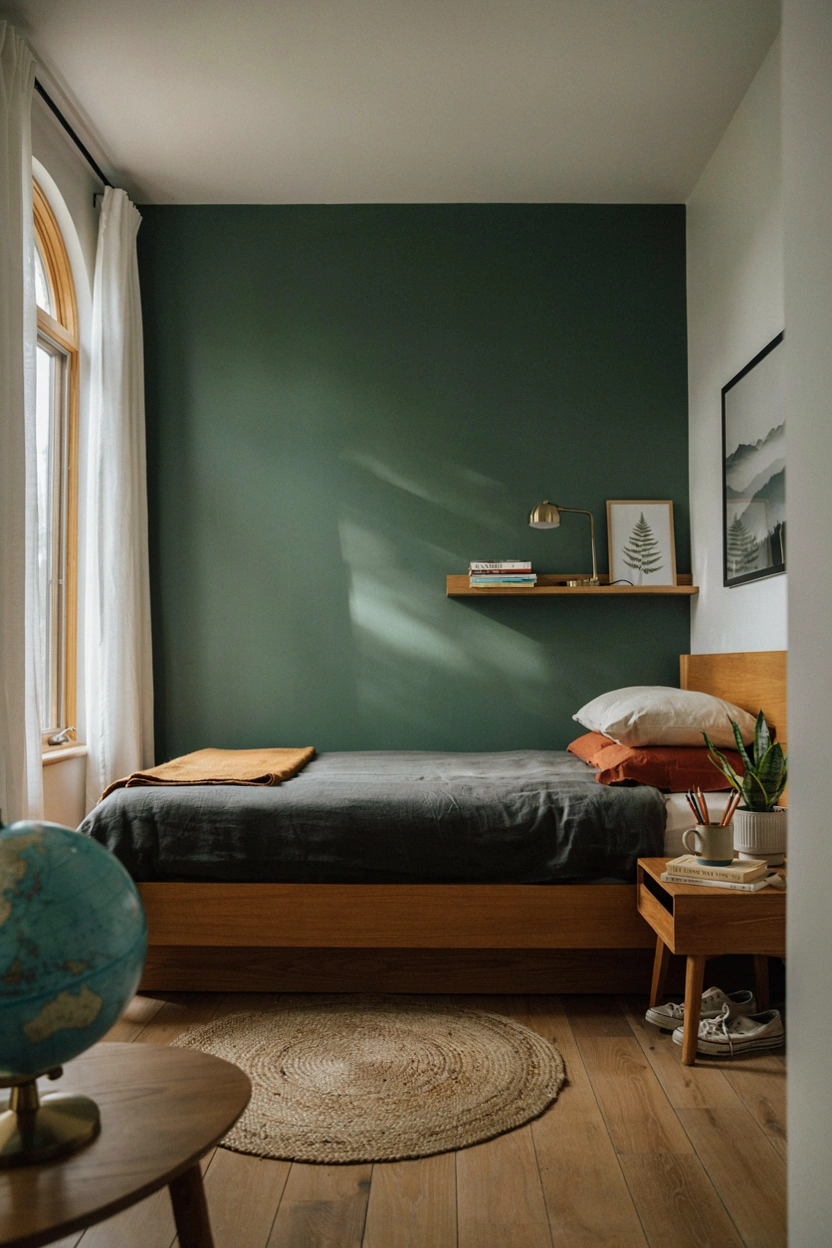
Painting just one wall in a saturated, confident color, navy, hunter green, a deep rust, gives a room real personality without the commitment of a fully colored room that gets expensive and time-consuming to change as tastes shift. This is genuinely one of the highest-impact, lowest-regret decisions you can make in a kid’s room, since repainting one wall later is a much smaller project than four.
Common mistake to avoid: painting the wall directly behind the headboard usually reads better than a side wall, since it becomes the natural backdrop in nearly every photo taken in the room.
Geometric or Line-Art Wall Decals
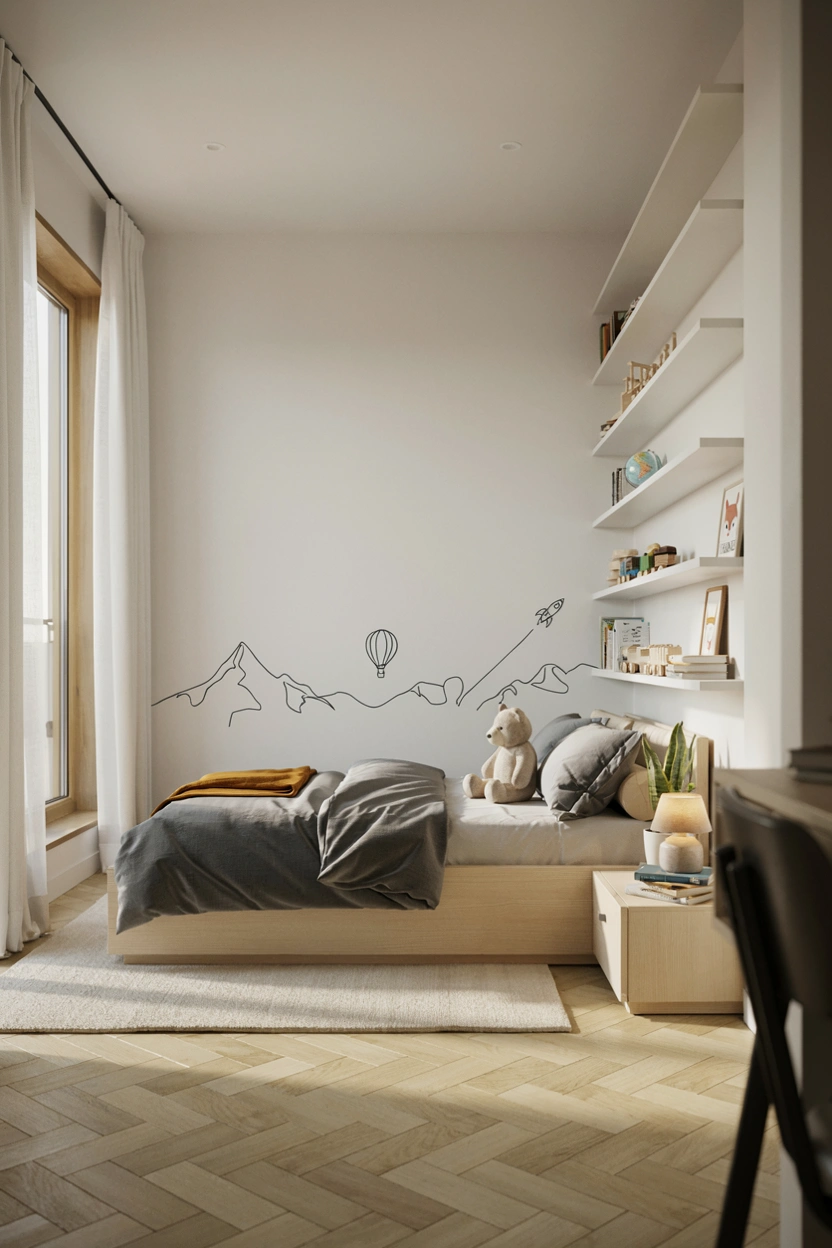
Removable wall decals in clean geometric shapes, mountains, constellations, simple line drawings, let a room feel decorated without committing to anything permanent or overtly juvenile. These are especially useful for renters or for rooms you know will need to transition as a kid gets older, since they peel off cleanly in a few years without any wall damage.
A Gallery Wall of Their Own Interests
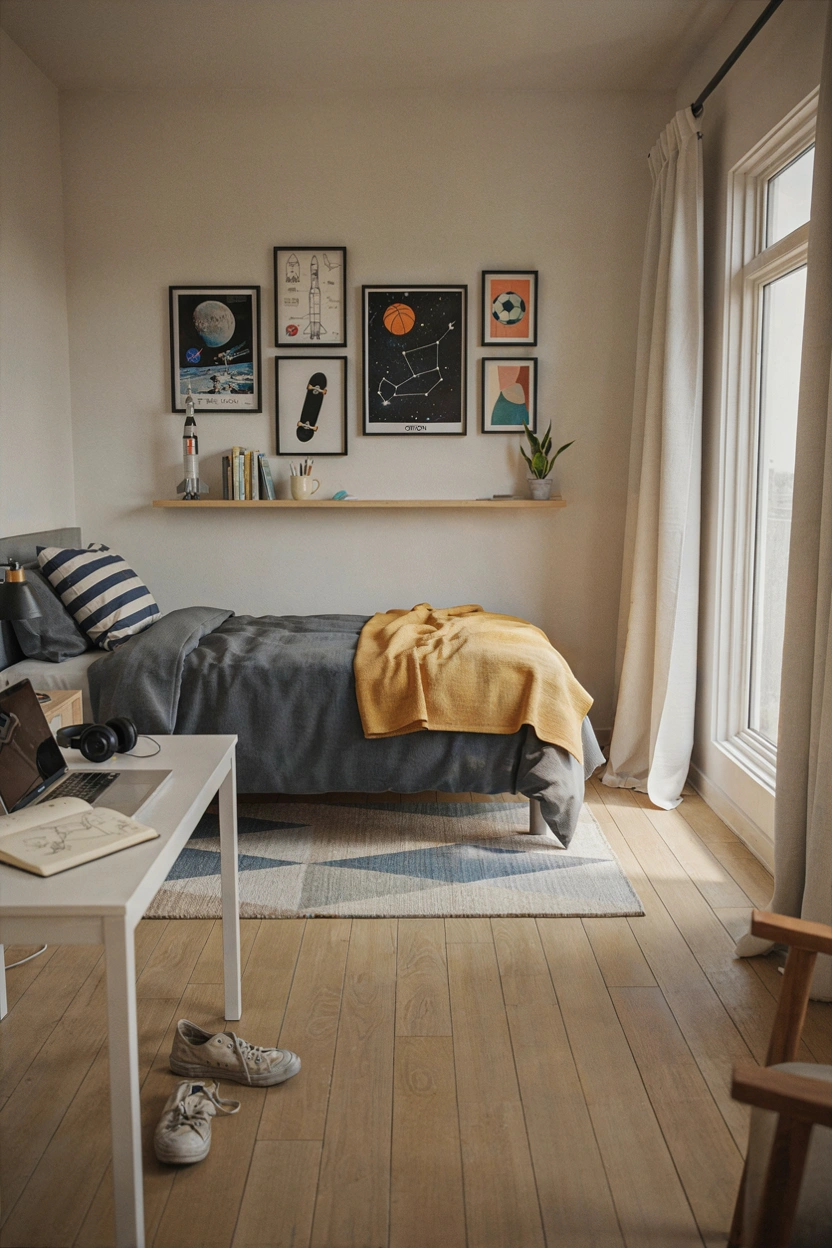
A small curated gallery wall, built around whatever the kid is actually into right now, dinosaurs, basketball, space, feels far more personal than generic themed bedding or decor bought as a full matching set. Letting the kid pick a few of the pieces themselves, even just one or two out of six, makes the room feel genuinely theirs rather than something decorated at them.
Functional Pegboard Above the Desk
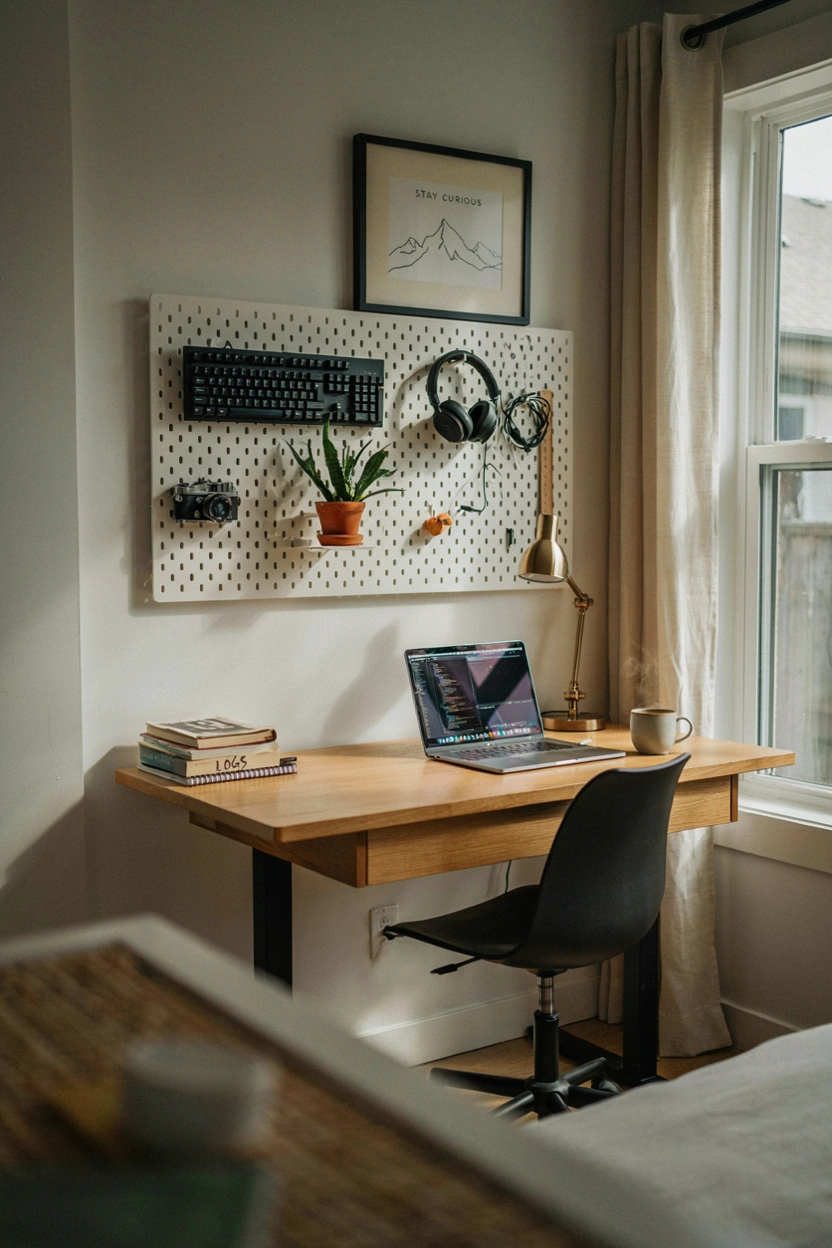
A pegboard mounted above a desk or homework area keeps supplies, sports equipment, or hobby gear visible and easy to grab, which tends to actually get used more consistently than a closed drawer system that kids forget exists. It also doubles as a display spot for medals, small trophies, or favorite collected items without needing separate shelving.
Common mistake to avoid: mounting the pegboard too high for the kid to reach comfortably defeats the whole point — measure against their actual height, not an adult’s.
A Statement Rug That Isn’t Cartoonish
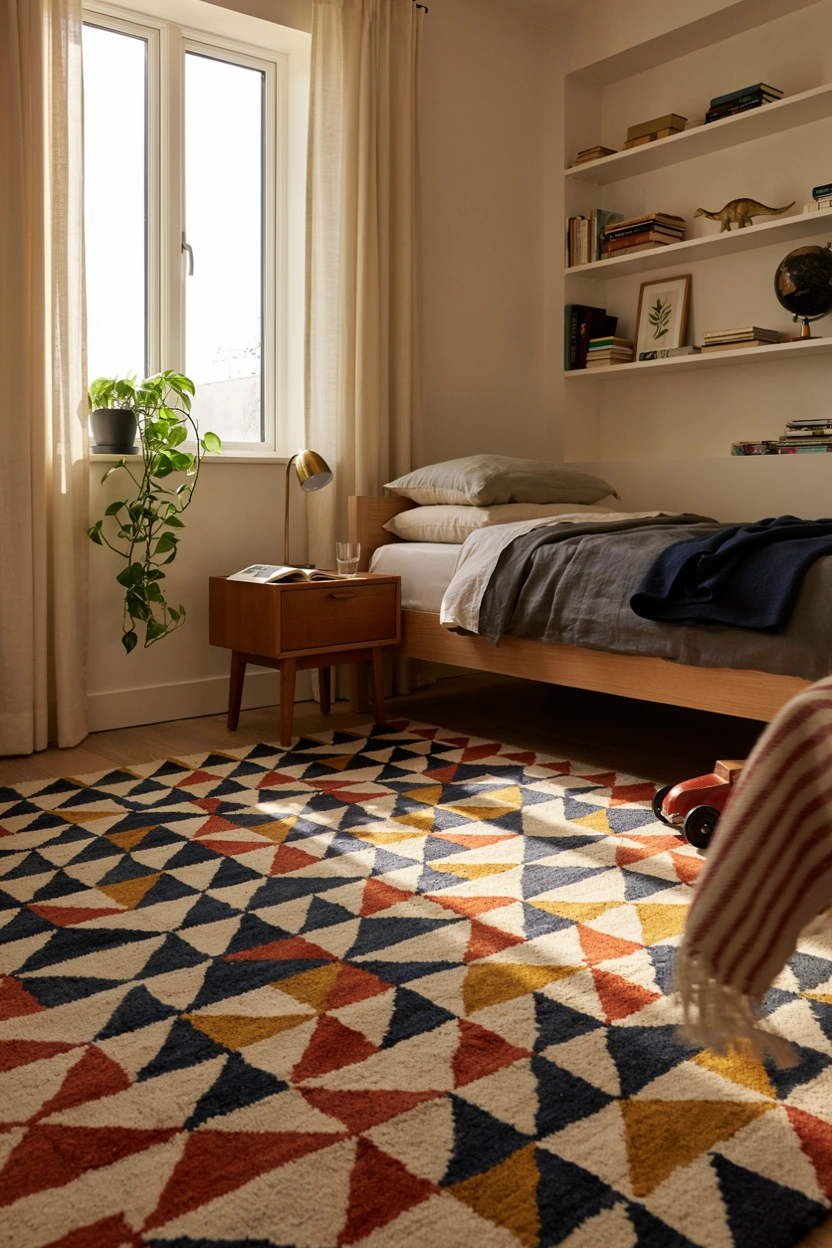
A rug in a bold geometric or striped pattern brings color and warmth to the floor without relying on licensed characters or an overtly childish print that a ten-year-old will be embarrassed by two years later. This is one of the areas worth spending a bit more on, since a good rug genuinely lasts through several years and multiple decor refreshes around it.
Open Shelving for Displaying, Not Just Storing
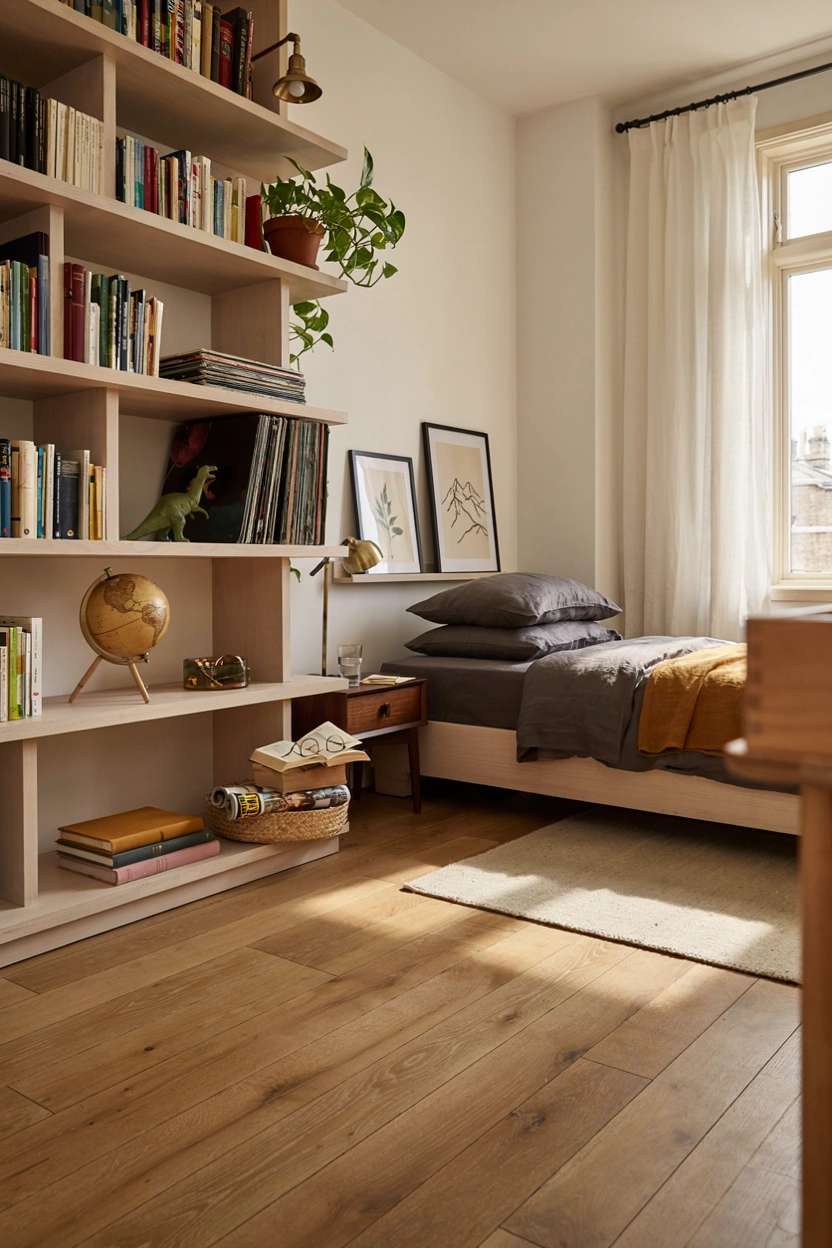
Open shelves, styled with a mix of books, a few favorite objects, and some genuine breathing room between items, look considerably more intentional than a fully packed toy shelf. This works best when you resist the urge to fill every inch — a shelf with visible negative space reads as curated, while a completely full one reads as storage overflow.
A Reading Corner with a Simple Canopy
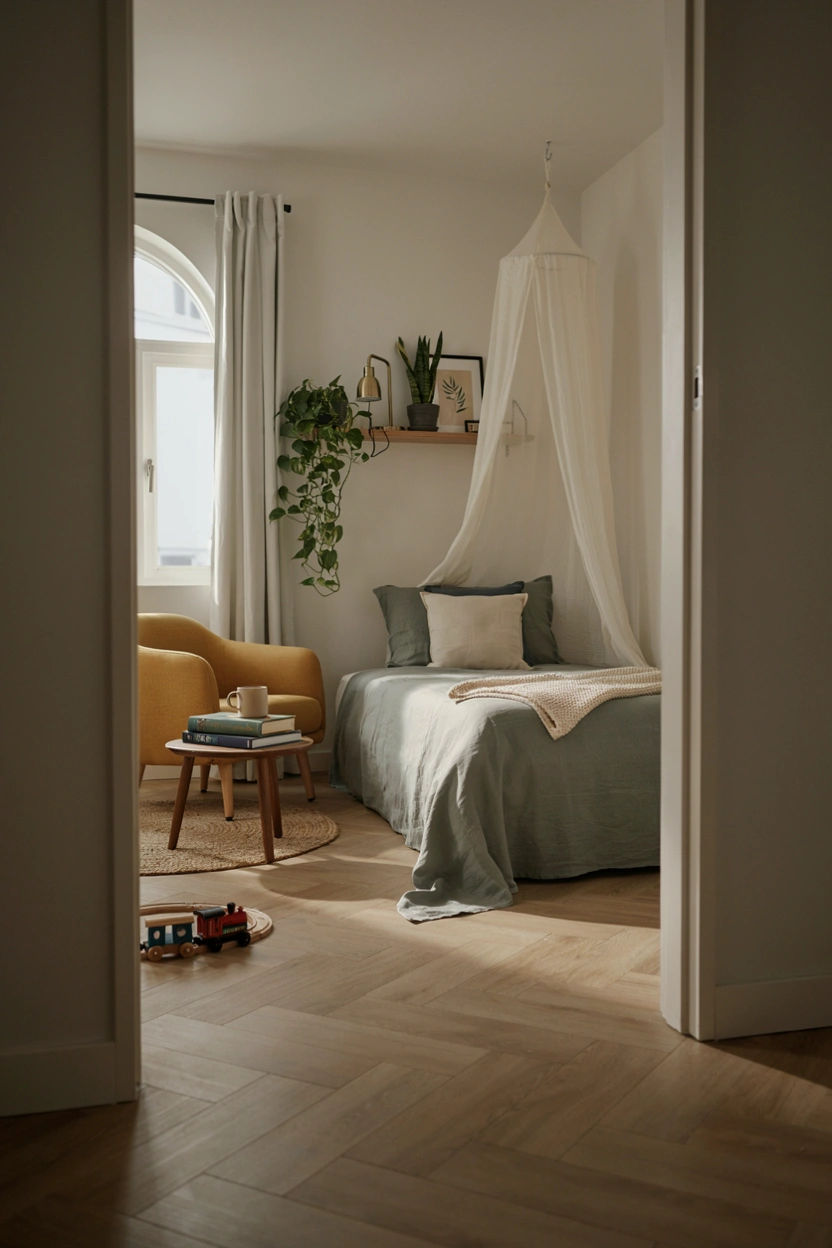
A small reading nook, even just a floor cushion or a chair with a simple fabric canopy overhead, gives a designated quiet spot that isn’t the bed itself. This tends to genuinely get used, especially for kids who like having a defined “their spot” separate from where they sleep.
Industrial-Style Task Lighting
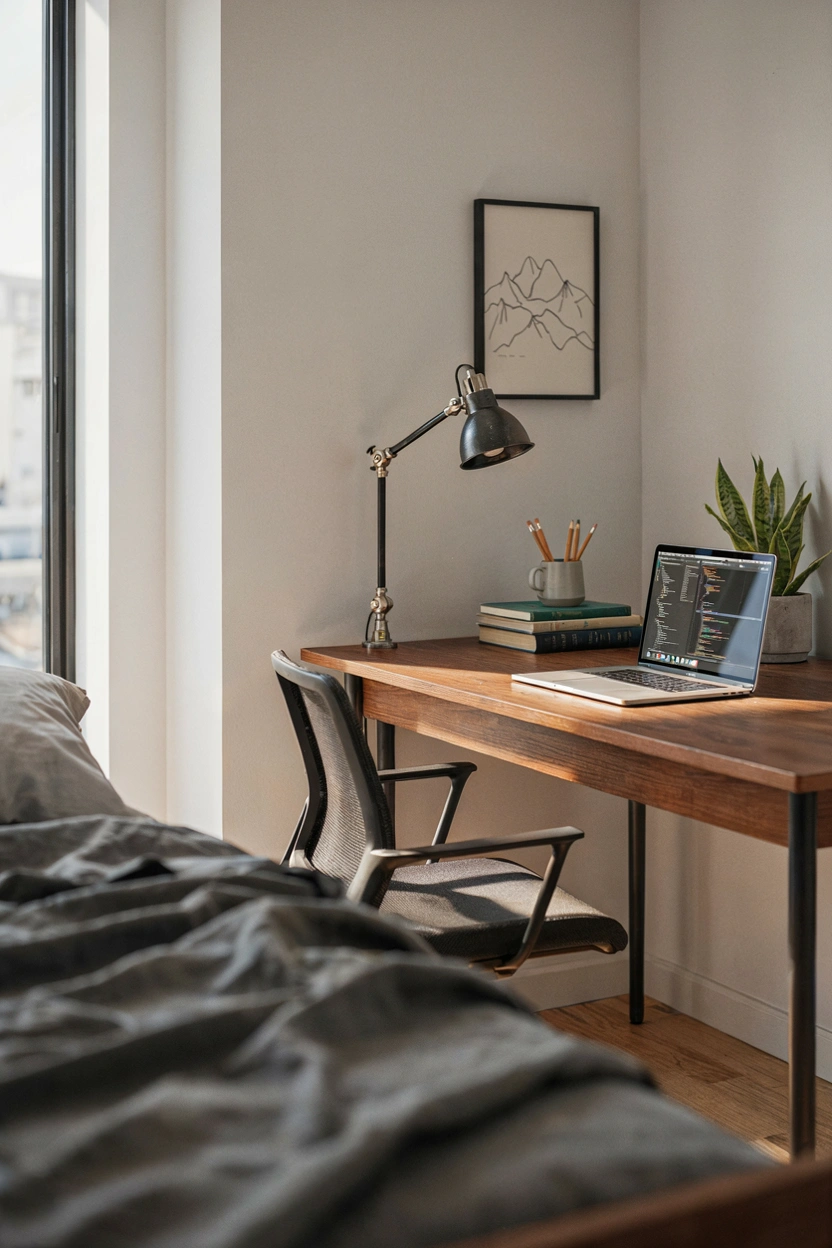
A clamp-style or articulated desk lamp in a matte black or brass finish looks considerably more grown-up than a standard plastic desk lamp, and it’s a small, inexpensive swap that upgrades the whole desk area at once.
A Neutral Base with Swappable Textile Accents
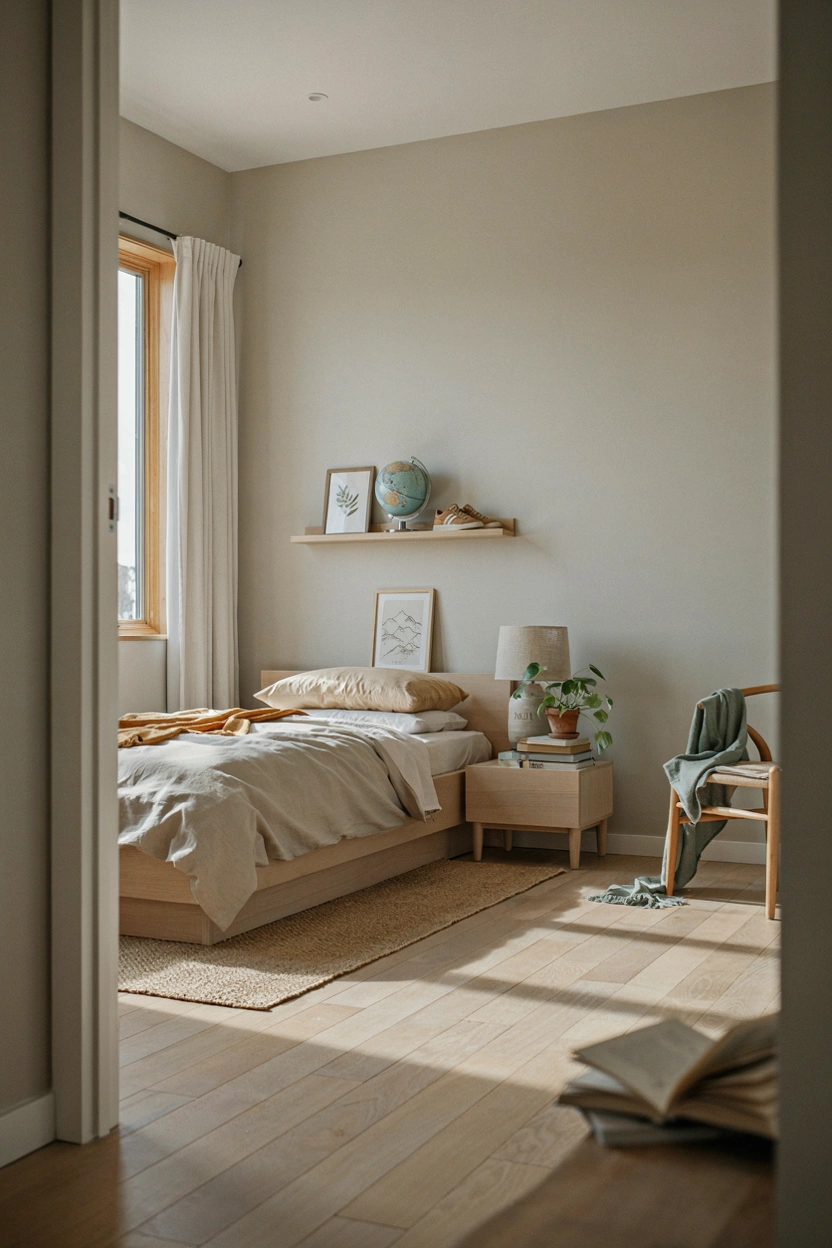
Keeping bedding and larger furniture in neutral tones, then layering in color through pillows, a throw, and smaller accessories, means the room can evolve as interests change without needing to replace anything expensive. This is genuinely the most practical long-term strategy for a kid’s room, since interests at seven look nothing like interests at thirteen.
Common mistake to avoid: buying a full themed bedding set locks you into that theme for years — a plain duvet with a themed pillow or two gives the same personality with a much easier update path.
A Chalkboard or Whiteboard Wall Section
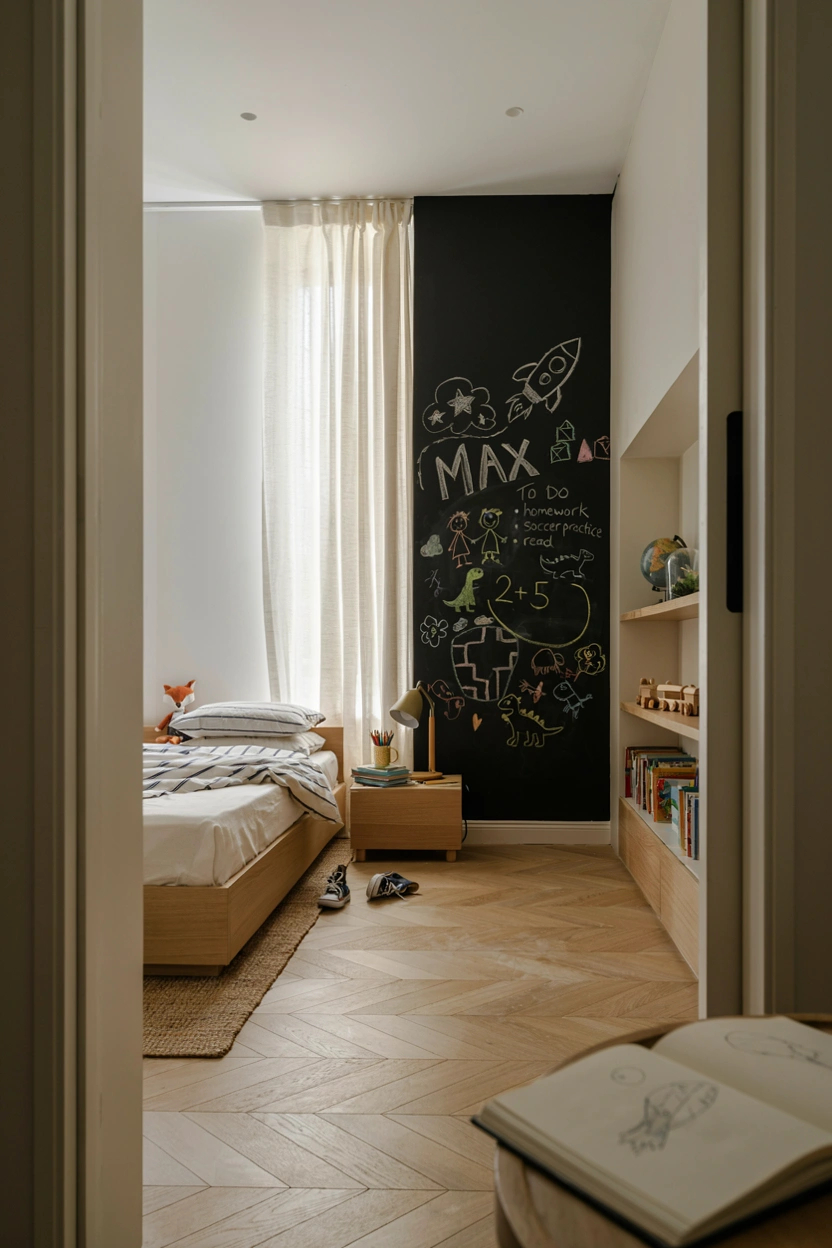
A small painted chalkboard or whiteboard section gives a spot for doodling, reminders, or displaying artwork that changes constantly, which solves the problem of walls getting drawn on elsewhere in the house.
Woven Storage Baskets Instead of Plastic Bins
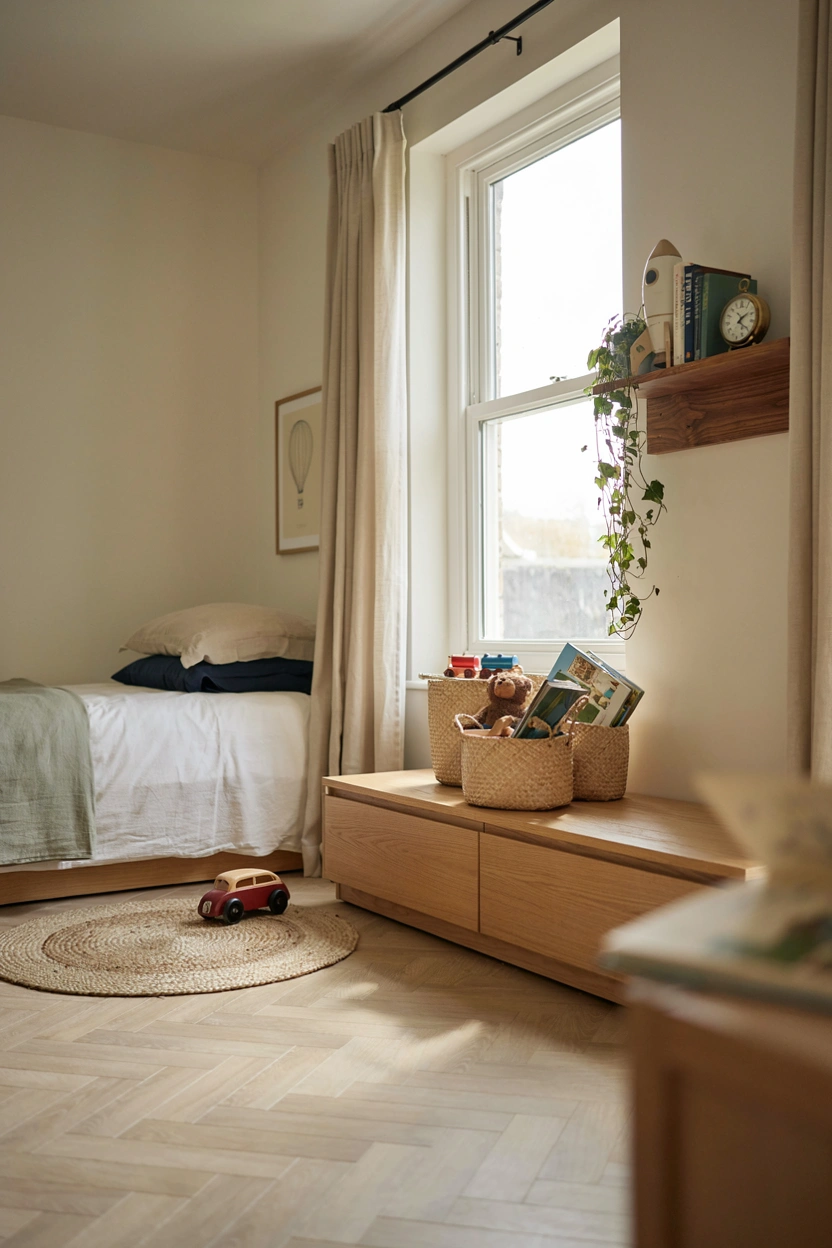
Swapping bright plastic storage bins for woven baskets in natural tones instantly makes a room look more considered, while still keeping toy cleanup just as simple and low-effort for a kid to actually do.
A World Map or Constellation Print
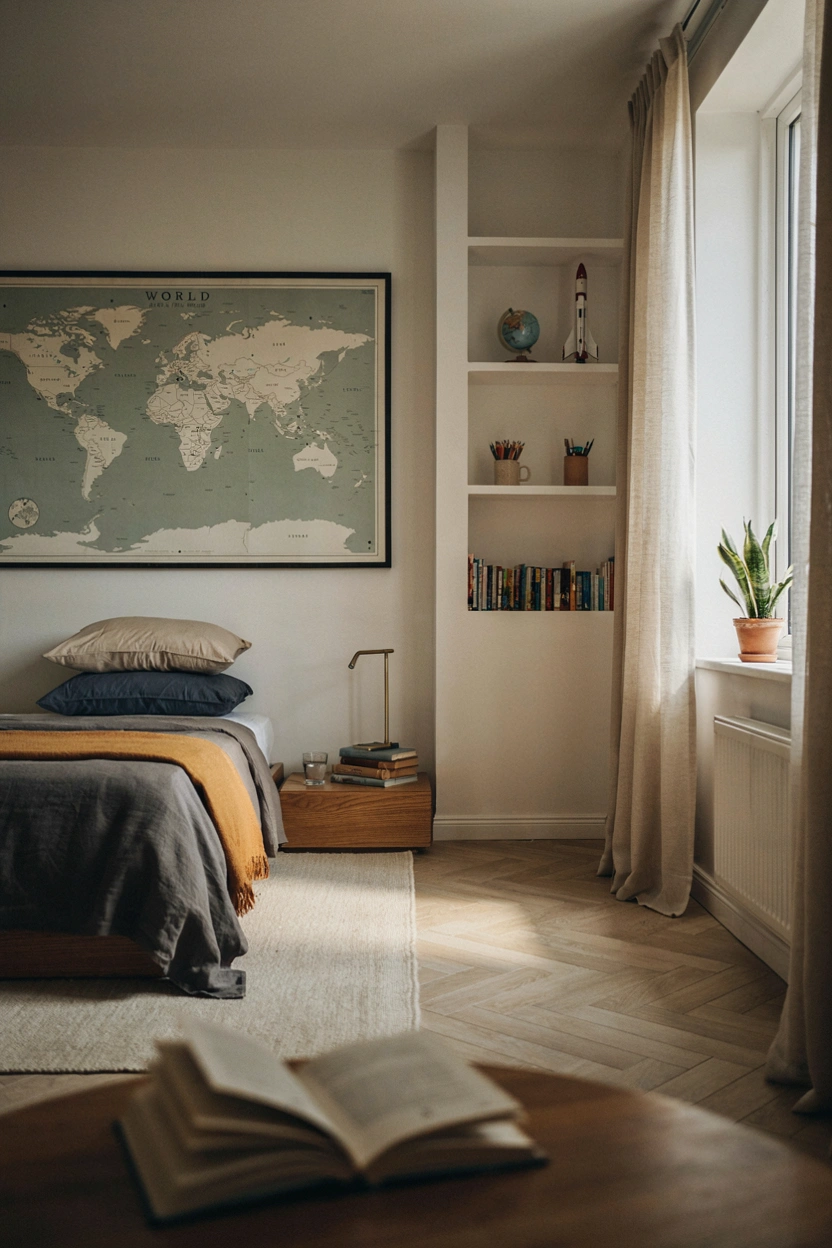
A large-format map or star chart print serves as both striking wall art and a genuinely interesting thing for a kid to actually look at and learn from, which is more than most purely decorative art can claim.
If you’re only doing one or two things from this list, the accent wall and the neutral-base-with-swappable-accents approach deliver the most visual payoff for the least ongoing effort as your kid’s tastes keep changing.
More Home Ideas You’ll Love
Keep exploring with Pink Dorm Room Ideas for a Dreamy Space, Beautiful Dressing Table Ideas and Guest Bedroom Ideas Your Visitors Will Love.


One Comment